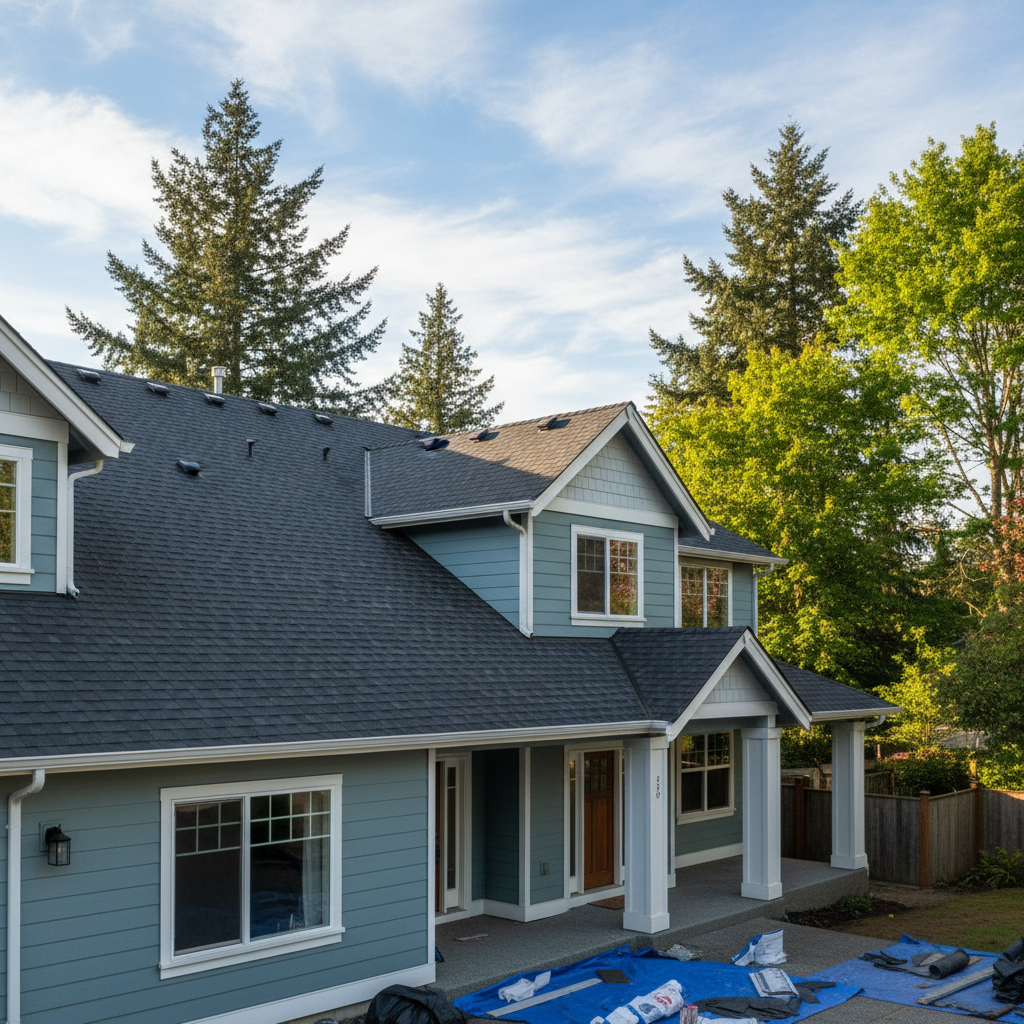
So, you’re building a new home here in Shoreline, or maybe you’re adding a big extension that needs a fresh roof. That’s exciting! But let me tell you, getting a new roof installed in our neck of the woods isn't like doing it in, say, Arizona. Our weather plays a huge role, and understanding it can save you a lot of headaches — and money — down the line.
When's the Best Time to Schedule Your New Roof?
Everyone thinks summer, right? And yeah, summer is great. Long, dry days are ideal for roofing. Less chance of rain delays, materials cure properly, and my crew isn't battling freezing fingers. But here's the thing: everyone else thinks summer too. That means schedules get packed, and sometimes you're waiting longer than you'd like. Who wants that?
Honestly, late spring and early fall are often just as good, if not better, for new construction roofing around here. You still get decent stretches of dry weather, but the demand isn't quite as crazy. We're talking May-June and September-October. You want those consistent temperatures, not too hot, not too cold, and definitely not too wet. This allows us to get the job done efficiently and correctly, without rushing or dealing with compromised conditions.
Our PNW Weather: What It Means for Your Roof Build
You know how it is here. One minute it's sunny, the next it's a downpour. That's why we have to be so careful. When we're putting on a new roof, especially with asphalt shingles, the temperature and moisture levels are critical. Shingles need to adhere properly, and that means they need to be warm enough to seal down. If it's too cold, they won't seal right away, leaving your roof vulnerable until the sun finally warms them up.
Rain? Forget about it. We can't work in the rain, plain and simple. It's a safety hazard for my crew, and it compromises the materials. Water under the shingles or membrane is a recipe for disaster down the road. We also have to consider wind. Strong gusts can make it dangerous to be up on a roof, especially with large sheets of underlayment or metal panels. We're always watching the forecast like hawks.
Think about the soil conditions too. Many homes in Shoreline, especially those closer to the bluff or in areas like Richmond Beach, are built on clay soils. If your construction site turns into a mud pit because of heavy winter rains, it can delay everything. That includes getting materials delivered and equipment set up for your roof. It's all connected, you see.
Protecting Your Investment Year-Round: Beyond Installation
Once your new roof is on, the job isn't over. You've just made a significant investment in your home, and you want it to last. Here's how you keep it in top shape, no matter the season:
- Keep it Clean: Those moss and algae patches you see on older roofs? They don't just look bad; they hold moisture against your shingles and can shorten their lifespan. Get rid of them. Gently. Don't pressure wash your roof unless you know exactly what you're doing, or you'll void warranties and damage shingles.
- Gutters are Gold: Seriously, clean your gutters. Especially in fall and winter. Clogged gutters mean water overflows, runs down your fascia, and can even back up under your shingles. That's how you get rot and leaks.
- Trim Those Trees: Overhanging branches are a big problem. They drop leaves and debris that clog gutters, provide shade that encourages moss growth, and can scrape or damage shingles in a storm. Keep them trimmed back a good distance from your roof.
- Annual Check-up: Just like your car, your roof benefits from a yearly inspection. I always recommend having a professional like Guardian Roofing come out. We can spot small issues before they become big, expensive problems. Missing shingles, cracked seals, damaged flashing – catching these early saves you a ton of hassle.
Building a new home is a big deal, and the roof is its crown. By understanding our local climate and taking a proactive approach, you'll ensure that new roof protects your home for decades to come. Don't hesitate to reach out to Guardian Roofing if you have any questions about your new construction project.