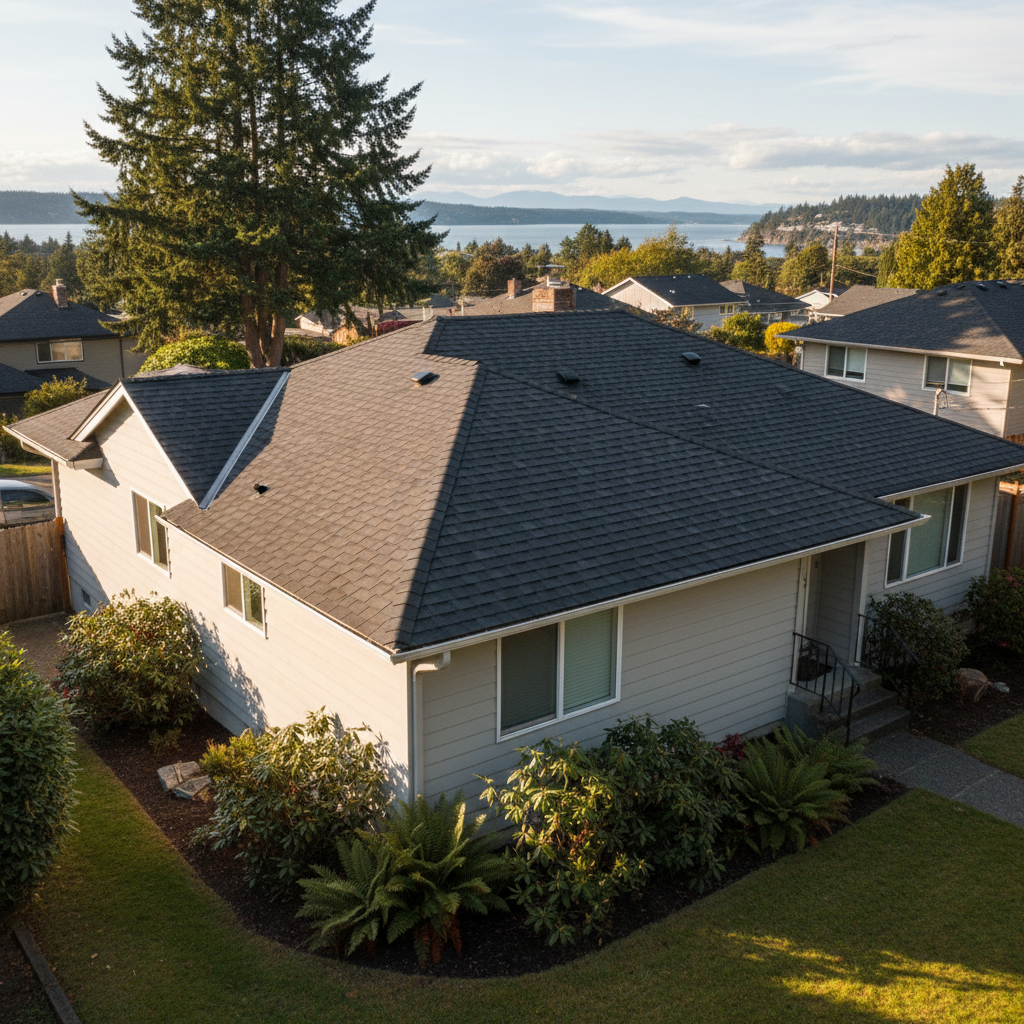
So, you're looking at getting a new roof, huh? It's a big investment, and naturally, the first thing on most folks' minds is, "How much is this going to set me back?" I get it. Nobody wants to feel like they're getting ripped off, especially when it comes to something as crucial as keeping your home dry.
Let's talk real numbers for Shoreline, WA. When you're budgeting for a new roof, you're generally looking at a range of $12,000 to $35,000+ for a typical residential asphalt shingle roof. That's a pretty wide spread, I know, but there's a lot that goes into it. For smaller homes, say around 1,200-1,500 square feet, you might be closer to that lower end, perhaps $12,000 to $18,000. For larger, more complex homes, especially those with steep pitches or multiple dormers, you're easily heading towards $25,000 to $35,000 or more. We've certainly done jobs that push past $40,000 for really big or custom homes with premium materials.
What Jumps the Price Up (or Keeps it Down)?
A bunch of factors play into the final cost. It's not just the size of your house. Here's what I see affecting prices most often:
- Roof Size & Complexity: This is a no-brainer. A bigger roof means more materials and more labor. But complexity is huge too. A simple gable roof is way easier (and cheaper) to install than a roof with multiple valleys, hips, dormers, and skylights. Each cut and angle adds time and skill.
- Material Choice: Asphalt shingles are the most common and generally the most affordable. Architectural shingles, which are thicker and offer a more textured look, are a step up in price but also in durability and curb appeal. If you're dreaming of cedar shakes, metal, or tile, you're looking at significantly higher costs – sometimes double or triple asphalt. For instance, a metal roof could easily start at $30,000 for a modest home and go way up from there.
- Old Roof Removal (Tear-Off): Most jobs involve tearing off the old roof. If you have multiple layers of old shingles, or if there's damage underneath, that adds to the labor and disposal costs. A single layer tear-off might add $1,000-$2,500, but multiple layers or a rotten deck could push that to $3,000-$5,000+.
- Decking & Structural Repairs: When we tear off the old roof, we sometimes find rotten or damaged plywood decking. This needs to be replaced. Each sheet of plywood (4x8) can add $75-$150 to the cost, including labor. If there's structural damage to rafters or trusses, that's a whole different ballgame and will require more specialized repairs.
- Roof Pitch (Steepness): A really steep roof is harder and more dangerous to work on. It requires more safety equipment, more time, and often more crew members. That translates directly to higher labor costs.
- Flashing & Ventilation: Proper flashing around chimneys, vents, and valleys is critical for preventing leaks. Upgrading to better ventilation, like ridge vents, can improve your home's energy efficiency but also adds to the cost. We often see homes in the Richmond Beach area, with their older, sometimes steeper roofs, needing extra attention to flashing details.
- Permits & Dump Fees: Don't forget these. King County permits for roofing can run a few hundred dollars, and dump fees for debris disposal are part of every job.
What Should a Good Quote Include?
When Guardian Roofing gives you a quote, we make sure it's clear. Here's what you should expect to see:
- Detailed Scope of Work: Exactly what's being done. Tear-off? How many layers? What kind of shingles? What kind of underlayment?
- Material Specifications: Brand, type, color of shingles, type of flashing, vents, etc.
- Labor Costs: Clearly outlined, even if it's bundled into the overall price per square foot.
- Permit Fees: Who's responsible for pulling it, and what's the cost.
- Debris Removal & Disposal: This should always be included.
- Warranty Information: Both manufacturer's warranty and the contractor's workmanship warranty.
- Payment Schedule: How and when payments are due.
How to Avoid Overpaying
It's simple, really, but people often skip these steps:
- Get Multiple Quotes: Don't just go with the first guy. Get at least three detailed quotes from reputable Shoreline roofers. This helps you compare apples to apples.
- Check References & Reviews: Look for contractors with a solid track record. Check their L&I license, ask for local references, and read online reviews.
- Understand the Materials: Don't just pick the cheapest shingle. Ask about the pros and cons of different options. Sometimes paying a little more upfront for better materials saves you headaches (and money) down the road.
- Ask Questions: If something in the quote isn't clear, ask! A good contractor will take the time to explain everything.
- Don't Chase the Lowest Bid: The cheapest bid often means corners are being cut. Quality work isn't cheap, and cheap work isn't quality. You want a fair price for a job done right.
A new roof is a big deal for your home's protection and value. Take your time, do your homework, and you'll get a roof that lasts for decades without breaking the bank.