Do I really need to fix that small leak right away, or can it wait?
Look, I get it. Life's busy, and a tiny drip in the attic doesn't feel like an emergency. But trust me on this: a small leak is never just a small leak. It's a tiny crack in the dam that's only going to get bigger. What starts as a little water stain can quickly turn into rotted sheathing, damaged insulation, mold growth, and even compromised structural integrity. Especially here in Shoreline, with our long, wet winters, that little drip can become a major headache faster than you'd think. You're talking about far more expensive repairs down the line if you let it go. Get it checked out. Seriously.
How do you even find a roof leak when it's not obvious?
This is where experience really counts, you know? Sometimes, a leak is obvious – a missing shingle, a visible hole. But often, the water travels. It can enter at one point, run along a rafter or a vapor barrier, and then drip down somewhere completely different. We start by looking for common culprits: flashing around chimneys, skylights, vents, and valleys. These are high-stress areas where different materials meet, and they're often the first to fail. We'll check for cracked caulk, loose flashing, damaged seals, and even subtle signs of water staining in your attic. Sometimes, we'll even run a controlled water test to pinpoint the exact entry point. It's detective work, but we've got a lot of practice.
Can I just patch my roof myself, or do I need a professional?
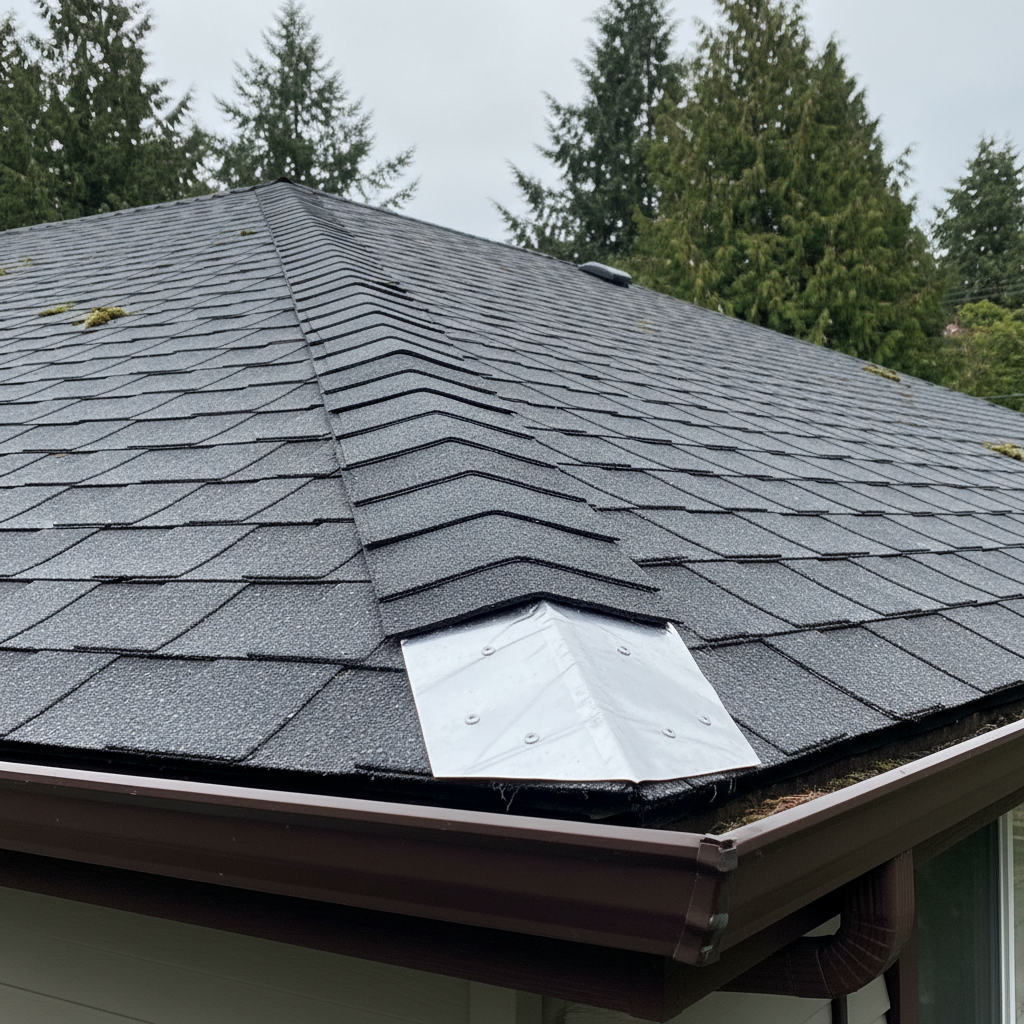
For a truly tiny, temporary fix, like a dab of roofing cement over a nail pop, sure, you *can* do it. But for anything more substantial, or if you're not absolutely sure what you're doing, please call a professional. Working on a roof is dangerous – falls are common, and you can easily cause more damage if you don't know the right techniques or use the wrong materials. Plus, a DIY patch might seem to work for a bit, but if it's not done correctly, you're just delaying a bigger, more expensive problem. A professional repair makes sure it's done right, uses the correct materials for your specific roof type, and usually comes with a warranty. It's an investment in your home's protection.
What kind of damage can heavy rain and wind do to my roof in our Shoreline climate?
Our Pacific Northwest weather, especially those strong winter storms that roll in off Puget Sound, can be brutal on roofs. High winds can lift and tear off shingles, particularly on older roofs or those with improper nailing. Heavy, sustained rain can exploit any tiny weakness – a cracked shingle, worn flashing, or a clogged gutter – leading to water infiltration. We also see a lot of moss and algae growth here in Shoreline, especially on the north-facing slopes of roofs or in shaded areas common in neighborhoods like Richmond Beach. This growth holds moisture, accelerates shingle deterioration, and can even lift shingles, creating pathways for water. It's a constant battle against the elements.
How long does a typical roof repair take?
This really depends on how bad the damage is. A small, isolated leak repair – fixing a piece of flashing or replacing a few shingles – might only take a few hours. More extensive damage, like repairing a larger section of decking or dealing with widespread shingle loss after a storm, could take a full day or even two. We always aim to get it done efficiently without cutting corners. The goal is a lasting repair, not a quick patch-up. We'll give you a clear timeline once we've assessed the specific issues.
Will my homeowner's insurance cover roof repairs?
It might, but it's not a guarantee. Generally, homeowner's insurance covers sudden, accidental damage – think storm damage, hail, or a fallen tree. It typically doesn't cover damage due to neglect, wear and tear, or poor maintenance. So, if your roof is leaking because it's old and the shingles have simply worn out, that's usually on you. But if a windstorm rips off a section of your roof, or a tree branch punctures it, that's often covered. You'll need to check your specific policy and deductible. We can help you document the damage for your claim, but we're not insurance adjusters. Always read your policy carefully or call your agent.
How can I prevent future roof problems after a repair?
Prevention is key, and it's usually a lot cheaper than repair. After we fix an issue, I always recommend regular maintenance. That means getting your gutters cleaned at least twice a year – especially important here with all the trees we have. Keep an eye out for moss and get it treated before it takes over. Trim back any tree branches that are overhanging or touching your roof; they can scrape shingles, drop debris, and provide easy access for pests. And consider getting a professional roof inspection every couple of years, especially as your roof ages. A small investment in maintenance can save you thousands in major repairs down the road. That's what we preach at Guardian Roofing – proactive care keeps your home safe and dry.