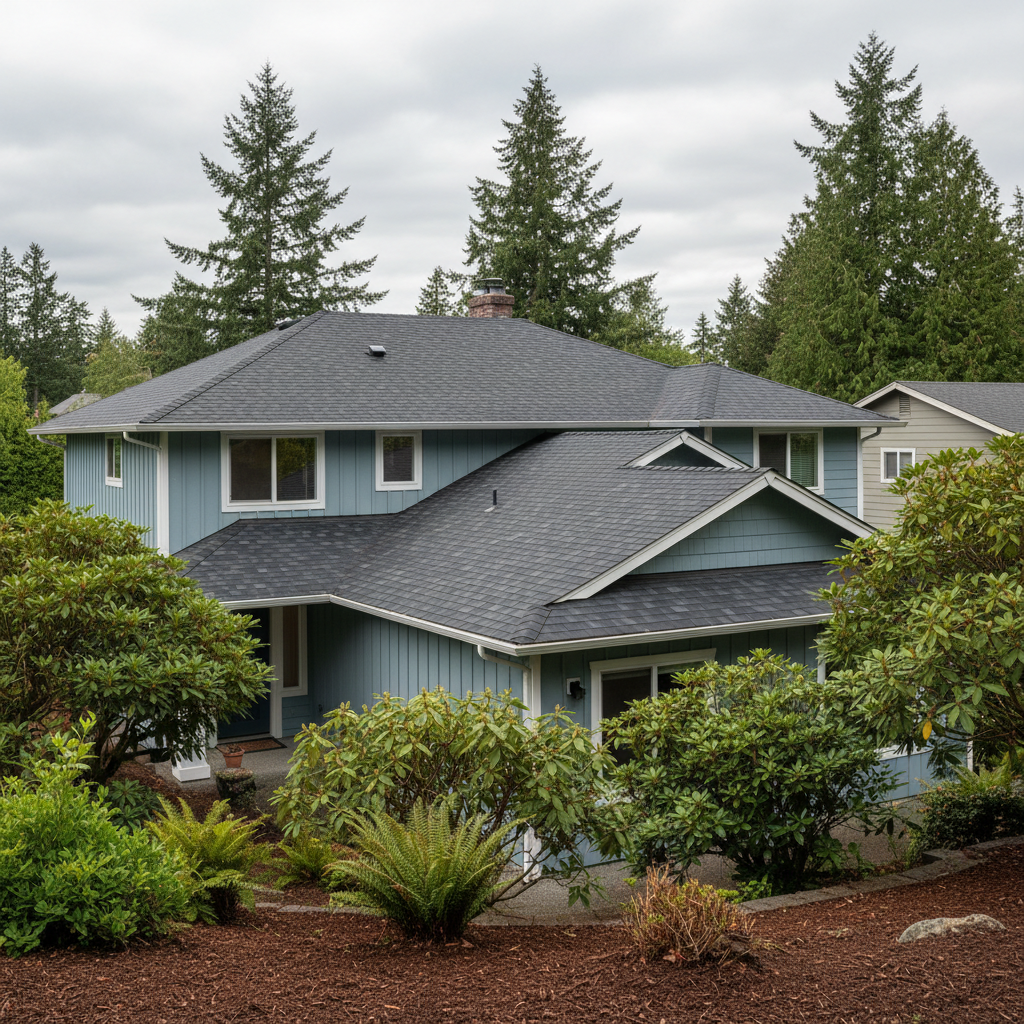
A big storm rolls through, and suddenly your roof's looking a little worse for wear. Maybe you've got a missing shingle, a leaky spot, or even a tree branch through the eaves. It's a tough situation, and it's easy to make mistakes when you're stressed. I've seen plenty of homeowners in Shoreline stumble through this process, and I want to help you avoid the common pitfalls.
Waiting Too Long to Act
This is probably the biggest one. You see a small issue – a loose shingle, a tiny drip – and you think, "I'll get to it next week." But here in the Pacific Northwest, "next week" often means another rainstorm. That small drip can become a major leak, damaging insulation, drywall, and even electrical systems. Water damage spreads fast, and what could have been a simple repair turns into a much more expensive, complicated project. Get a professional out there as soon as you can after a storm, even if it looks minor. Early detection and repair? They save you a ton of headache and money.
Falling for "Storm Chasers"
After a big storm, you'll often see a surge of out-of-state contractors knocking on doors. These are what we call "storm chasers." They'll promise quick fixes, cheap prices, and sometimes even offer to handle your insurance claim entirely. Sounds great, right? Wrong. Many of these companies do shoddy work, use inferior materials, and then disappear when problems arise. They don't have a local reputation to protect. You won't find them when you need warranty work or if something goes wrong a year down the line. Always work with local companies like Guardian Roofing that have an established presence, local references, and are properly licensed and insured in Washington State. We're not going anywhere.
Not Understanding Your Insurance Policy
Your homeowner's insurance is there for a reason, but it's not a blank check. Many homeowners don't actually read their policy until they need to file a claim. You need to know your deductible, what types of storm damage are covered (and what aren't), and the claims process. Some policies have specific timelines for reporting damage, so if you wait too long, your claim could be denied. Take pictures of the damage immediately, before any repairs, and keep detailed records of all communication with your insurance company and contractors. Don't let your insurer dictate who you work with, either; it's your home, your choice.
Focusing Only on the Obvious Damage
It's easy to spot a missing shingle or a broken window. But storm damage can be sneaky. High winds can lift shingles without tearing them off, weakening their seal and making them prone to future leaks. Hail might not leave obvious holes but can bruise shingles, drastically shortening their lifespan. Even a distant tree falling can send vibrations through your home, causing subtle cracks in flashing or around chimneys. A thorough inspection by a qualified professional will look beyond the surface, checking your entire roof system, gutters, siding, and even attic for hidden issues. For instance, homes up in the Highlands or Richmond Beach often have older, mature trees that can cause subtle damage during windstorms that isn't immediately obvious from the ground.
Choosing the Cheapest Bid
Everyone wants to save money, I get it. But when it comes to storm damage repair, the cheapest bid is rarely the best value. Low bids often mean corners are being cut: cheaper materials, inexperienced labor, or skipping crucial steps in the repair process. This leads to premature failures, more repairs down the road, and ultimately, more expense. Look for a contractor who provides a detailed, written estimate, explains the scope of work, and uses quality materials. Ask about warranties on both materials and labor. A slightly higher upfront cost for a quality repair will save you a lot of grief and money in the long run.
Dealing with storm damage is stressful enough. By avoiding these common mistakes, you'll protect your home, your wallet, and your peace of mind. Do your homework, ask the right questions, and choose a reputable local contractor who stands behind their work.